

+39 06 68 40 741 scolopi@scolopi.net
Faith in God

Faith in God

Dear brothers and sisters, the readings invite us to reflect on what it means for a Christian to have faith in God. In the first reading, the prophet Habakkuk cries out to God because of violence, injustice, and strife all around him. He laments to God, “Why do you let evil happen? Why do you remain silent in the face of corruption?” (Hab 1:2-3). He voices the tension between faith in a just God and the harsh reality of corruption and violence. The question of Habakkuk is the question of many of us today: why do bad things happen to ‘good people’? Honest workers lose their jobs, families are torn apart by war, innocent children die, and faithful believers suffer from sickness. Meanwhile, bad things happen to ‘bad people’: corrupt leaders grow rich, oppressors gain power, and liars succeed. Like the prophet, many today cry out, “God, where are you? Why do you stay silent? Why do you stay silent about my situation?” The first reading tells us that God’s answer is that of faithful trust: “The righteous shall live by faith” (Hab 2:4). Faithful trust that God’s justice operates on a different timeline. As God replies, “If it seems slow, wait for it; it will surely come, it will not delay” (Hab 2:3).

However, it can be difficult and challenging to keep the flame of faith burning amidst all that is happening around us—in our families and in our lives. The only thing we can do is to cry out, as the apostles did in today’s Gospel: Lord, “increase our faith.” In the Gospel of Luke 17:5-10, we encounter the troubled hearts of the apostles, who, after listening to Jesus’ previous teachings, are left with a sense of emptiness. After Jesus emphasized the inevitability of encountering offenses in life, he underscored the importance of personal responsibility in managing interpersonal conflicts, advising that if a brother sins, he should be rebuked and if he repents, he should be forgiven as many times within a single day. The disciples, recognizing the difficulty of such demands, request increased faith to meet these spiritual challenges.

From Jesus’ response, we need to correct some misconceptions about faith: that it involves quantity, extraordinary powers that defy natural limits or invert natural order, emotional attachment or feelings, or motivation. In the subsequent reading Luke 17:11-19, after healing the ten lepers and only one returning to thank Christ, Jesus said to him, “Your faith has saved you.” The same is true for the centurion, whom Jesus commended for having “great faith” (Matthew 8:10). Jesus also asked the disciples, “Why are you so afraid? Do you still have no faith?” after calming the storm (Mark 4:40). So,

what does it mean for a Christian to have faith in God? The second part of the Gospel provides a hint: being a servant. Being a servant in two ways: first, doing what is expected of us as Christians and allowing God to be God—trusting in His divine providence. It means total confidence in God in all situations. Second, it involves service to our brothers and sisters; service that is not motivated by personal interest or ego, but for God’s glory and the benefit of others.

The question we should ask ourselves is whether we are faithful to our Christian commitments, our moral conscience, and ourselves, for God is always faithful. As 2 Timothy 2:13 states, “If we are unfaithful, he remains faithful, for he cannot deny himself.” What is the purpose of our service to our brothers and sisters? Saint Paul, in today’s second reading, reminds us that the Spirit God gave us is not one of timidity but of power, love, and self-control. Let us ask God to increase our faith so that we may become faithful witnesses of His love in the world. Amen
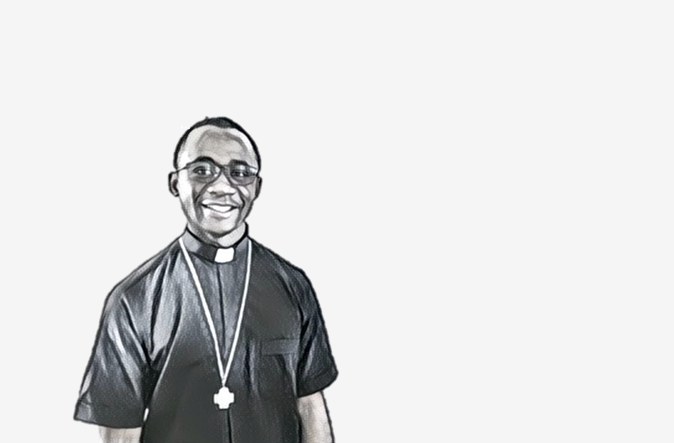
NGALA AUSTIN KANJO

NGALA AUSTIN KANJO

Piarist

Ngala Austin Kanjo is a religious and priest in the Order of the Piarist Schools from the Province of Central Africa. Born in Shisong, Cameroon. He is currently undergoing a master’s program on formation of formators at the Gregorian University.

Non portate nulla per il viaggio: né bastone, né borsa, né pane, né denaro (Lc 9,3).

Non portate nulla per il viaggio: né bastone, né borsa, né pane, né denaro (Lc 9,3).

Cari fratelli, mentre ci riuniamo per celebrare e ringraziare Dio per il dono del nostro sacerdozio, meditiamo queste parole forti di Gesù ai Dodici: “Non portate nulla per il viaggio.” Queste parole parlano al cuore della nostra identità di sacerdoti e, più in generale, di cristiani.

Nel Vangelo di oggi, Gesù chiama i Dodici, dà loro potere e autorità su tutti i demoni e le malattie, e li invia a proclamare il Regno di Dio e a guarire. Da questi versetti iniziali possiamo trarre tre grandi lezioni sul nostro sacerdozio.

Primo, il sacerdozio è un dono di Dio. Così come i Dodici sono stati chiamati, anche noi siamo chiamati—non come una scelta di carriera, ma come segno vivo che Dio continua a camminare tra il Suo popolo. La nostra vera identità è Cristo. Alla fine della nostra vita, Cristo non ci giudicherà principalmente per i nostri successi o per le opere compiute, ma per quanto di Cristo siamo stati per il Suo popolo.

Secondo, Dio ci dà potere e autorità su ogni male e sofferenza. Non si tratta di dominare, ma di trasformare—portare luce dove c’è oscurità, speranza dove c’è disperazione, guarigione dove c’è ferita. Siamo chiamati a nutrire gli affamati, dare rifugio agli indigenti, consolare gli afflitti. Come Scolopi, abbiamo la responsabilità speciale di allontanare il “diavolo dell’ignoranza” dai bambini e dai giovani, guidandoli verso la verità e la sapienza.

Terzo, siamo inviati a proclamare il Regno di Dio. Il nostro sacerdozio deve riflettere quello di Cristo: vicino al popolo, ricco o povero, giovane o anziano, sano o malato. Non può restare confinato all’altare, ma deve estendersi nella vita quotidiana, condividendo gioie e dolori del popolo di Dio e intercedendo per lui. Nella prima lettura, Esdra, vedendo l’infedeltà del suo popolo, lacera le sue vesti e prega per la loro misericordia (Esdra 9,1–2). Allo stesso modo, il nostro sacerdozio deve essere un sacerdozio di intercessione—pregando per il popolo di Dio, portando le loro richieste e cercando la Sua misericordia.

Passiamo ora alla seconda parte dell’istruzione di Gesù: “Non portate nulla per il viaggio: né bastone, né borsa, né pane, né denaro.” Con queste parole, Gesù libera il sacerdozio dalle sicurezze mondane e lo radica nella fiducia assoluta nella provvidenza di Dio. Il sacerdozio non deve essere vissuto come ricerca di sicurezza, status o beni, ma come atto di fede e dipendenza da Dio. Questo è particolarmente importante oggi, quando il sacerdozio rischia di essere visto più come una professione che come una vocazione—misurata da successo intellettuale, economico o istituzionale piuttosto che da autenticità spirituale e vicinanza pastorale. Ogni simbolo in questo versetto ha un significato profondo:

Il bastone: Nella Scrittura il bastone rappresenta autorità e protezione— Mosè che divide il mare (Es 14,16), o il pastore che guida il gregge (Sal 23,4). Per i viaggiatori era uno strumento di difesa. Il comando di Gesù di non portare il bastone ci ricorda che la nostra sicurezza non sta nella forza umana, ma nell’autorità e nella provvidenza di Dio.

La borsa: Alcuni maestri itineranti portavano borse per le offerte. Simboleggiava autosufficienza o opportunismo. Il nostro sacerdozio non è un mezzo per guadagno personale.

Il pane: Il pane era il sostentamento fondamentale. In Esodo 16, Dio provvede il pane quotidiano al Suo popolo. Come sacerdoti, non “portiamo pane” in senso mondano; offriamo il Pane di Vita all’altare e siamo chiamati a diventare pane spezzato per gli altri.

Il denaro: Sebbene non condannato nella tradizione ebraica, il denaro era spesso collegato alla tentazione e alla falsa sicurezza. L’istruzione di Gesù elimina ogni sospetto che il sacerdozio sia per vantaggio economico.

Le due tuniche: Possedere più di una tunica era segno di comfort e relativa ricchezza. Gesù ci chiama invece alla semplicità, povertà e solidarietà con i poveri—mai lasciare che il comfort ci faccia dimenticare il Vangelo.

Cari fratelli, il Salmo di oggi proclama: “Benedetto Dio che vive per sempre.” Possano le nostre vite e il nostro ministero sacerdotale sempre benedire il Suo santo nome. E come ricordano le nostre Costituzioni, tutto ciò che facciamo sia per la gloria di Dio e per il servizio dei bambini. Per intercessione di San Giuseppe Calasanzio e di Maria, Madre di Dio, il Signore ci fortifichi a rimanere sacerdoti fedeli—oggi e per sempre.

NGALA AUSTIN KANJO

NGALA AUSTIN KANJO

Piarist

Ngala Austin Kanjo is a religious and priest in the Order of the Piarist Schools from the Province of Central Africa. Born in Shisong, Cameroon. He is currently undergoing a master’s program on formation of formators at the Gregorian University.

Panorama Calasanz
Resumen de privacidad

Este sitio Web utiliza cookies para mejorar su experiencia mientras navega por el sitio Web.

Fuera de estas cookies, las cookies que se clasifican según sea necesario se almacenan en su navegador, ya que son esenciales para el funcionamiento de las funcionalidades básicas del sitio Web.

También utilizamos cookies de terceros que nos ayudan a analizar y comprender cómo utiliza este sitio Web. Estas cookies se almacenarán en su navegador solo con su consentimiento.

Tiene la opción de optar por no recibir estas cookies. Pero la exclusión voluntaria de algunas de estas cookies puede afectar su experiencia de navegación.