

+39 06 68 40 741 scolopi@scolopi.net
Living the Beatitudes in Daily Life

Living the Beatitudes in Daily Life

Dear brothers and sisters, just after the Beatitudes that we heard last Sunday, Jesus continues His message by speaking about being the salt and light of the world. These two passages are deeply connected. The Beatitudes describe who a Christian is: poor in spirit, meek, merciful, peacemakers… They speak about the inner character and identity of a disciple of Christ. Today, Jesus moves from identity to impact. Notice something very important: Jesus does not say, “Try to be salt” or “Work hard to be light.” He says, “You are.” This means that if we truly live the Beatitudes, we cannot help but influence the world around us. This becomes a serious examination of conscience for us as Christians. Are we truly light? Are we just, loving, peaceful people? Sometimes, sadly, we Christians become agents of division, violence, unforgiveness, and injustice—within our families and in our workplaces. 

Jesus chose salt and light very intentionally because they act by their nature, not by effort. Salt does not struggle to be salty. Light does not struggle to shine. In the same way, a Christian who lives the Beatitudes—who is poor in spirit, meek, merciful, and a peacemaker—does not need extraordinary actions or public preaching. Simply living differently, wherever he or she is, already makes an impact. Jesus’ teaching implies something radical: that the people who appear weak, meek, merciful, and even persecuted are actually the most powerful force in society. Not religious elites. Not politicians. Not warriors. But people formed by the Beatitudes. That is why, in the second reading, Saint Paul warns the Christians of Corinth. They admired wisdom, strength, and eloquence, and they were impressed by the eloquence of the preacher who came after Paul. Paul reminds them that their faith should not rest on human philosophy or eloquence, but on an encounter with the power of God. Being salt and light, coming to church, or living the Beatitudes is not simply a philosophy to follow or a set of commandments to obey. It is the fruit of our encounter with God and our living faith in Him. 

In the first reading, Isaiah gives us very practical ways by which the world will recognize us as salt and light: sharing our bread with the hungry, sheltering the homeless, clothing the naked, removing oppression, aggression, and harmful speech. I would like us to meditate on just one of these: “not turning away from our own kin.” In other words, not closing ourselves to the suffering of those around us. We cannot claim to love God  while being indifferent to the concrete person next to us. And this indifference is not only toward others, but even toward us. We become indifferent to whether we sin or not. Indifferent to whether we lie or not. Indifferent to whether we go to confession or receive Holy Communion. This indifference slowly darkens the light within us. Isaiah says that when we begin to care about these small aspects of our life and the lives of others, our wounds will be healed, our integrity will go before us, and the glory of the Lord will follow us. As the psalmist says today: “A good person is a light in the darkness for the upright.” Let us pray for the grace to be light ourselves first, so that we may truly become light for others. 
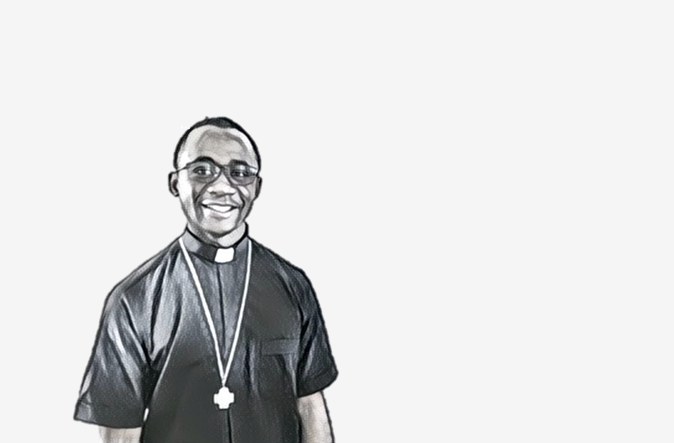
NGALA AUSTIN KANJO

NGALA AUSTIN KANJO

Piarist

Ngala Austin Kanjo is a religious and priest in the Order of the Piarist Schools from the Province of Central Africa. Born in Shisong, Cameroon. He is currently undergoing a master’s program on formation of formators at the Gregorian University.


Discovering and Living One’s God-Given Purpose

Discovering and Living One’s God-Given Purpose

Dear brothers and sisters in Christ, the readings we have just heard today invite us to reflect on a very important truth about our lives: each one of us is special, and each one of us has been given particular gifts and a unique purpose by God. No two callings are identical. In the first reading, we are presented with the beautiful call of the prophet Isaiah. Isaiah speaks with deep clarity and humility when he says: “The Lord called me from birth; from my mother’s womb he gave me my name… He who formed me in the womb to be his servant, to bring Jacob back to him, and to gather Israel to him.” Isaiah comes to understand that his life is not an accident. His existence has meaning. Long before Isaiah could speak or act, God already had a purpose for his life. This is true for each one of us. We are all born with potentials, talents, and gifts that God has placed within us. Our lives are not random. God has entrusted something to us that no one else can fulfill in the same way. Isaiah discovered his mission. John the Baptist discovered his mission to be a witness to the coming of Christ. Saint Paul, as we hear in the second reading, discovered his mission to be an apostle, chosen by God, sent to proclaim the Gospel. Yet too often, we ask everyone else what our life should be, except God. We ask society. We ask success. We ask comparison. But we do not always ask the Lord, “Why have You created me? What is my mission? What is Your will for my life?” And even when we discover our purpose, there is another challenge: activating it. Purpose is not activated by intention alone, but by decision. Every purpose demand sacrifice. 

A person who knows his purpose is not jealous of others. He is not threatened by the success or gifts of those around him. This is powerfully illustrated in the Gospel through the figure of John the Baptist. When Jesus appears on the scene, John does not feel diminished. He does not become angry. He does not fear that his influence will disappear. Instead, he points away from himself and says, “Look, this is the Lamb of God who takes away the sin of the world.” John understands who he is. His identity is secure. He knows that he is not the Messiah, but the one sent to prepare the way. 

John’s sense of worth does not come from being the greatest, the most popular, or the most successful. It comes from being faithful to the mission God entrusted to him. His identity is not threatened by the arrival of Jesus, because his purpose has always been to lead others to Jesus. How different this is from our own struggles. How many times have we felt anger or resentment because someone close to us succeeded where we did not? How  often has a friend’s promotion, talent, or achievement stirred insecurity, jealousy, or frustration within us? Sometimes, when someone surpasses us, it feels like an attack on our identity. John the Baptist shows us another way. He knows that he is not the destination, but the witness; not the Word, but the voice; not the point, but the one who points. Our purpose is not about position or recognition; it is about impact. It is about faithfulness. It is about allowing God to work through us, even if that means stepping aside. Finally, the psalm gives us the attitude that must shape our hearts: “Here I am, Lord; I come to do your will.” These words capture the essence of true purpose. The real question for us today is this: Are we ready to say those words honestly? Are we willing to align our lives, our ambitions, and our dreams with the will of God? 

NGALA AUSTIN KANJO

NGALA AUSTIN KANJO

Piarist

Ngala Austin Kanjo is a religious and priest in the Order of the Piarist Schools from the Province of Central Africa. Born in Shisong, Cameroon. He is currently undergoing a master’s program on formation of formators at the Gregorian University.
Fulfilling All Righteousness: Our Baptismal Call in Christ

Fulfilling All Righteousness: Our Baptismal Call in Christ

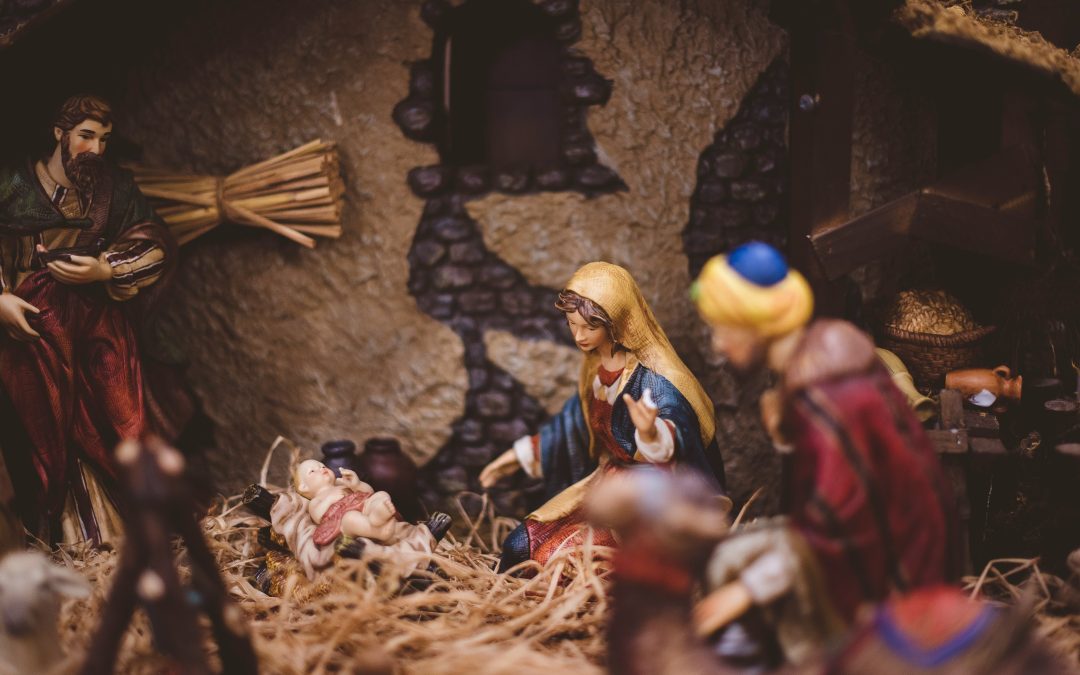
Dear brothers and sisters, as we celebrate the Baptism of our Lord, I invite you to meditate on Jesus’ words: “Allow it now, for thus it is fitting for us to fulfill all righteousness.” At the beginning of his public ministry, according to the Gospel of Matthew, Jesus chooses to be baptized by John the Baptist. John, who had preached the coming of Christ, felt unworthy to baptize his Savior. We might ask ourselves: if John’s baptism was a baptism of repentance, did our Lord need to repent of any sin? Jesus’ response helps us understand the deeper meaning of this moment: “Leave it like this for the time being; it is fitting that we should, in this way, fulfill all righteousness.” The baptism of Jesus has nothing to do with repentance from sin. Rather, Matthew shows us that baptism is no longer only a call to repentance; instead, Jesus himself becomes the very center of baptism. Baptism becomes the path by which a right relationship with Christ is established. 

Through repentance and baptism, we are set on the path of righteousness and incorporated into a community of which Christ is the head. As Saint Paul tells us in the Letter to the Colossians, in Christ we have redemption and the forgiveness of sins. The day of our baptism was a day of redemption, a day when we were incorporated into the community where Christ reigns as head. Do we remember this special day of our baptism? Do we remember the commitments that were made? How has our relationship with Christ grown since then? 

After Jesus was baptized, he came up from the water, and suddenly the heavens opened. He saw the Spirit of God descending like a dove and coming to rest upon him. While the Gospel of Mark speaks simply of “the Spirit,” and Luke of “the Holy Spirit,” Matthew deliberately uses the phrase “the Spirit of God,” emphasizing Jesus as the Son of God in whom the Father is well pleased. Matthew helps us see that Jesus is the chosen servant spoken of by the prophet Isaiah in the first reading. The image of the dove and the words spoken by the Father directly connect with that prophecy: “This is my beloved Son, in whom I am well pleased.” Christ is the servant, the chosen one in whom God delights. 

This servant will bring justice, open the eyes of the blind, and free captives from prison, as we hear in the first reading. Christ not only forgives our sins;  he frees us from fear and sorrow, no matter our present situation. This message of redemption and grace is meant for everyone. Saint Luke makes this clear in the second reading when Peter says to Cornelius: “I have come to realize that God shows no partiality, but in every nation anyone who fears him and does what is right is acceptable to him.” To fear God does not mean to be afraid of him or distant from him; rather, it means recognizing God’s presence in our lives. The question we must ask ourselves is this: in our daily actions and behavior, are we conscious of God’s presence? Do we strive to do what is right in his sight? The psalmist tells us that the Lord blesses his people with peace. Let us pray that God may pour this peace into our hearts, our families, and our lives. 

NGALA AUSTIN KANJO

NGALA AUSTIN KANJO

Piarist

Ngala Austin Kanjo is a religious and priest in the Order of the Piarist Schools from the Province of Central Africa. Born in Shisong, Cameroon. He is currently undergoing a master’s program on formation of formators at the Gregorian University.
A God Who Dwells Among His People

A God Who Dwells Among His People

Dear brothers and sisters, today’s readings invite us to reflect on a God who has chosen not to hide himself or remain distant from his people, but to communicate himself and to dwell among them. In the first reading, Wisdom is presented as God’s eternal self-communication, dwelling among us to guide, sanctify, and order our lives according to his will. The Book of Sirach tells us that this Wisdom existed before the world was made, has been active throughout history, and will endure forever. This reminds us that God’s plan of self-communication is neither new nor improvised: it has always existed and will remain until the end of time. Dear brothers and sisters, God has a plan for our lives. Through the prophet Jeremiah, the Lord says: “I know the plans I have for you, plans to prosper you and not to harm you, plans to give you hope and a future” (Jer 29:11). God did not bring us into this world without a purpose. Each of us is part of his loving design. The question we must ask ourselves, then, is this: are we disposed to listen to God’s plan for our lives? 

Saint Paul, in the second reading, deepens this truth. He tells us that before the foundation of the world, God chose us in Christ, so that we might be holy and blameless and live in love in his presence. This choice reveals that our lives are not accidental; they are part of God’s loving plan. And yet, the difficulty is that we do not always make room for Christ in our daily lives to guide us. Too often we set him aside from our concerns and activities. God is not present in our lives to take life away from us, but to give it meaning, to guide us, sanctify us, and bring order and light into our existence, as the first reading reminds us. 

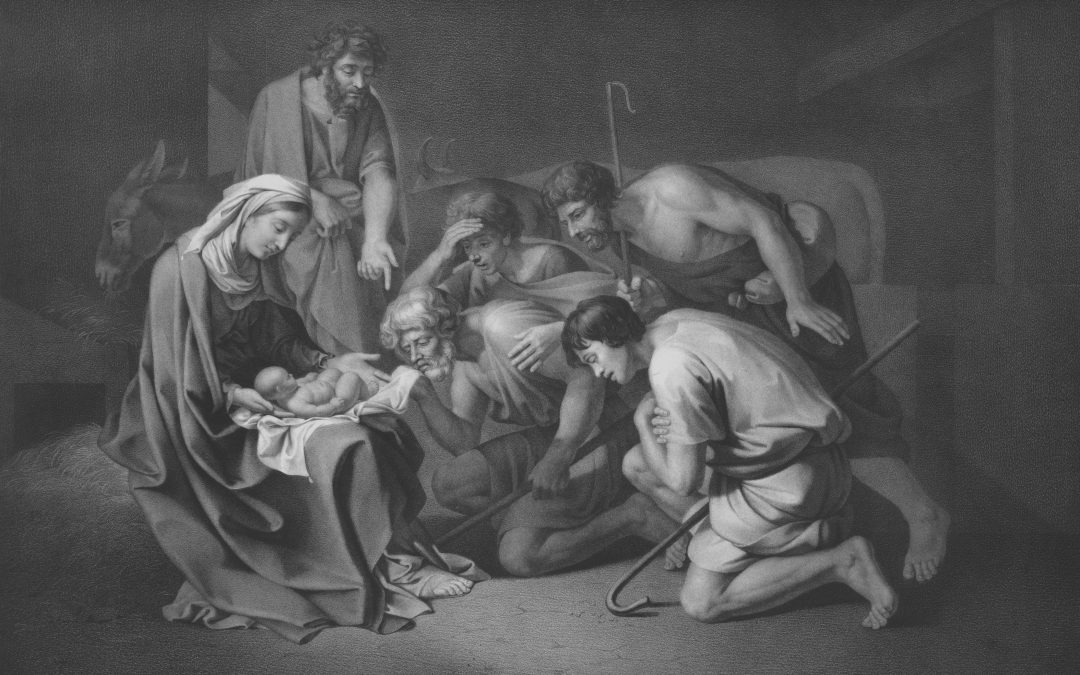
In the Gospel, what Sirach calls Wisdom, Saint John now calls the Word. John tells us that this Word was with God, was God, and is life and light. He is the true light that enlightens every person. And this Word was made flesh and lived among us. Here, the promise of Sirach is fulfilled, and the election spoken of by Saint Paul becomes visible. God does not merely give wisdom, laws, or commandments; he gives himself. He does not save or guide from a distance but chooses to dwell within humanity. 

Yet John also tells us that the Word came to his own, and his own did not accept him. They preferred darkness to light. Dear brothers and sisters, the light is offered to everyone, but it can be refused. Grace never forces its way into the human heart. God has chosen us to be his people, but we can refuse to choose God. He desires to guide our lives, yet at times we prefer our own ways to his. But to those who receive him, he gives the power to become children of God. 

This shows us that Christ does not come only in history or doctrine, but into our very lives. If we receive him, if we allow his light to enlighten our hearts, then our lives become the place where Wisdom takes root, where grace bears fruit, and where our very existence becomes a witness. As today’s Psalm reminds us, the Word was made flesh and lived among us. May we welcome him, live as children of the light, and may our lives, like the life of the Son himself, make the Father known. Amen. 

NGALA AUSTIN KANJO

NGALA AUSTIN KANJO

Piarist

Ngala Austin Kanjo is a religious and priest in the Order of the Piarist Schools from the Province of Central Africa. Born in Shisong, Cameroon. He is currently undergoing a master’s program on formation of formators at the Gregorian University.

The presence of Christ in our families

The presence of Christ in our families

Dear brothers and sisters, as we celebrate today the Feast of the Holy Family of Nazareth, I invite us to meditate on the presence of Christ in our families: the presence of Christ in the holy family of Nazareth in the time of crisis. When Christ was born, He became a blessing to some and a threat to others: a blessing that led the wise men to offer Him gifts, and a threat that drove King Herod to seek His life. Herod wanted to do with the life of Jesus because he thought of it as a threat to his kingship. How often does the presence of Christ become a “threat” in our own lives? For many people, spiritual matters like prayer, faith, God’s word, morality, become a threat to their conscience and their way of living. Instead of welcoming Christ, they resist Him. Recognizing and accepting the presence of Christ in our lives and families can be a blessing to us. 

The presence of Christ in the Holy Family of Nazareth shows us that Christ is the unifying factor of every family. During their flight from Herod and their refuge in Egypt, Christ was present. This teaches us that Christ is always present in our families, especially in times of crisis, danger, suffering, and uncertainty. Many families and communities today experience division and increasing divorce because they fail to recognize Christ’s presence in the struggles and crises of family life. 

In the Gospel, Saint Joseph shows us three attitudes that help us recognize Christ’s presence in times of crisis: listening, discernment, and obedience. Joseph listened to the angel and obeyed by taking the child and his mother to Egypt. Later, when it was time to return, he discerned that going back to Judea, where Archelaus reigned, would be dangerous, so he went instead to Galilee. 

How often in our families, especially in moments of difficulty, do couples fail to listen to each other? Children refuse to obey their parents; parents refuse to listen to their children. Everyone speaks, but no one listens. Everyone believes they are right, and no one is wrong. There is a lack of discernment and a refusal of obedience. In the second reading, Saint Paul offers additional virtues that should characterize a family that recognizes the presence of God: compassion, kindness, humility, patience, mutual forbearance, and forgiveness: forgiving one another as soon as a quarrel begins. Pope Francis summarizes this beautifully when he says that three phrases should guide every family: “Please,” “Thank you,” and “I am sorry. 

The Holy Family teaches us that every family needs a husband and father who listens and discerns the presence and will of God, and wives who becomes bearers of Christ within the family. The obedience of Christ highlights the filial obedience in the family. The first reading from Ecclesiasticus says that whoever respects his father atones for his sins, and whoever honors his mother is like one who stores up treasure. Saint Paul summarizes these family roles clearly: “Wives, give way to your husbands, as is fitting in the Lord. Husbands, love your wives and treat them with gentleness. Children, obey your parents in everything, for this pleases the Lord. Parents, do not provoke your children, or they may become discouraged.” 

The psalm today says that: “Blessed are those who fear the Lord and walk in His ways.” Let us pray for the grace to always recognize the presence of Christ in our families, especially in times of struggle, so that we may remain united, as the Holy Family of Nazareth remained united. 

NGALA AUSTIN KANJO

NGALA AUSTIN KANJO

Piarist

Ngala Austin Kanjo is a religious and priest in the Order of the Piarist Schools from the Province of Central Africa. Born in Shisong, Cameroon. He is currently undergoing a master’s program on formation of formators at the Gregorian University.

Panorama Calasanz
Resumen de privacidad

Este sitio Web utiliza cookies para mejorar su experiencia mientras navega por el sitio Web.

Fuera de estas cookies, las cookies que se clasifican según sea necesario se almacenan en su navegador, ya que son esenciales para el funcionamiento de las funcionalidades básicas del sitio Web.

También utilizamos cookies de terceros que nos ayudan a analizar y comprender cómo utiliza este sitio Web. Estas cookies se almacenarán en su navegador solo con su consentimiento.

Tiene la opción de optar por no recibir estas cookies. Pero la exclusión voluntaria de algunas de estas cookies puede afectar su experiencia de navegación.