
+39 06 68 40 741 scolopi@scolopi.net
Zeal for your house will consume me

Zeal for your house will consume me

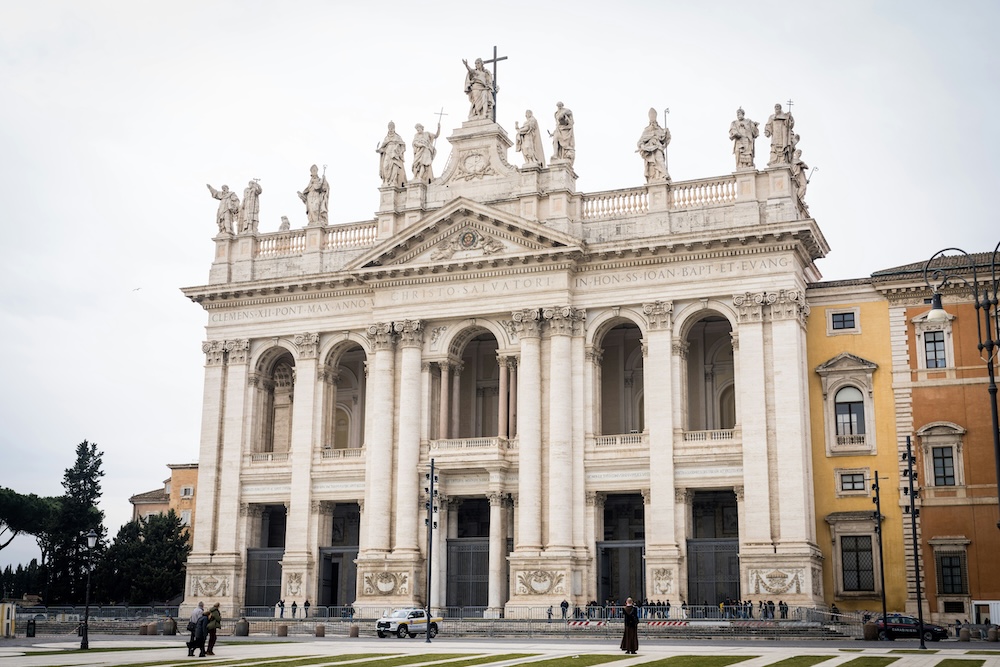
Dear brothers and sisters, today the Church invites us to celebrate the feast of the Dedication of the Lateran Basilica, the cathedral of the Bishop of Rome and the mother of all churches. As we celebrate this feast, let us meditate on the meaning of the Church, the visible sign of unity and love among the disciples of Christ. 

In the first reading, we encounter the rich and symbolic vision of the prophet Ezekiel. In his vision, the temple represents the presence of God among His people. From the temple flows a stream of water, a sign of divine grace that comes from God Himself and spreads throughout the world. This water is not ordinary; it is living water, symbolizing the Holy Spirit. 

The water that flows from the right side of the temple prefigures the blood and water that flowed from the pierced side of Jesus on the cross. Wherever this water flows, it brings life and healing. Along its banks every kind of fruit tree grows, their leaves never wither, and their fruits never fail. They bear new fruit each month because their water comes from the sanctuary. Their fruits are good to eat, and their leaves bring healing. 

Dear brothers and sisters, the grace of God heals and transforms everything it touches, our sins, our wounded relationships, our broken hearts. Through the sacraments of the Church: Baptism, the Holy Eucharist, Reconciliation, and others, God gives us the opportunity to be renewed and transformed into new living creatures. Let us ask ourselves: Do we make use of this grace that God offers us through the Church to be transformed? Often, we take for granted or even abuse the sacred means God has given us. At times, like in today’s Gospel, we may even desecrate or exploit them for selfish gain. 

In the Gospel, Jesus discovers that the temple had become a place of business. The materials for sacrifice: sheep, oxen, and doves, were being sold at high prices, and the money changers were taking advantage of the faithful. The temple, meant to be a house of prayer, had been turned into a marketplace. God Himself had been reduced to an instrument for profit. Sadly, this can also happen in our lives. We sometimes instrumentalize God, turning to Him only when we need something, and forgetting Him once we have received it. Or we treat Him merely as a comfort for our sorrows, rather than the Lord of our lives. 

Saint Paul, in the second reading, reminds us that our bodies are temples of the Holy Spirit. How often have we desecrated this temple, our own or that of others? This not talking of sexuality but equally the disrespect for human life: using others as objects, harming them, exploiting them, ignoring their suffering, or destroying life through actions such as abortion. Whenever we do these things, we profane the temple of God. The Psalmist proclaims: “God is for us a refuge and strength.” Let us ask the Lord to give us the grace to honor His presence, both in the sacred temple of the Church and in the temple of our own bodies. 
NGALA AUSTIN KANJO

NGALA AUSTIN KANJO

Piarist

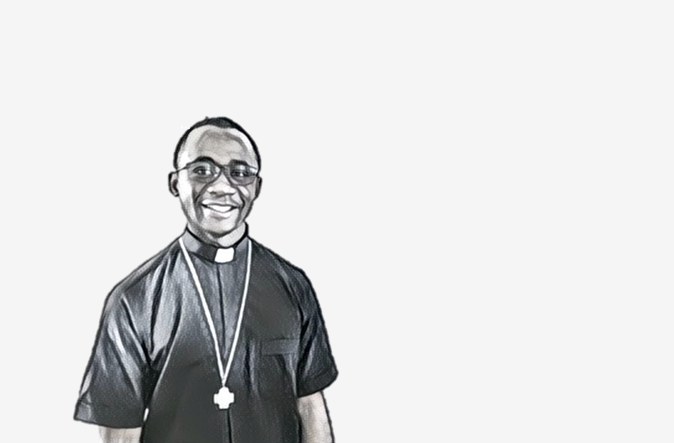
Ngala Austin Kanjo is a religious and priest in the Order of the Piarist Schools from the Province of Central Africa. Born in Shisong, Cameroon. He is currently undergoing a master’s program on formation of formators at the Gregorian University.


Do not cry!

Do not cry!

Dear brothers and sisters, today, the church proposes a special remembrance for our departed brothers and sisters, those who have gone before us marked in the sign of peace. In praying for the souls in purgatory, we affirm that love is stronger than death and that communion with one another endures beyond the grave. We believe that our life does not end on earth but simply a preparation for the life to come. However, because only those who are pure in heart, shall see God, we continue to pray for our brothers and sisters in purgatory, for the forgiveness of their sin, for all have sinned and have fallen short of the glory of God (Rom 3:23). If we say we have not sinned, we deceive ourselves and the truth is not in us (1 John 1:8). In the first reading of today, 2 Maccabees 12:42-45, we clearly see that the Jews of the Maccabean period already had faith in the future resurrection. After the battle at Adullam. Judas Maccabeus recognizes sin as the cause of the defeat, prays for the fallen soldiers and offers sacrifices for them in faith that they would rise again, prefiguring the resurrection in Christ; “Nothing unclean shall enter it, nor anyone who practices abomination or falsehood, but only those who are written in the lamb’s book of life” (Revelation 21:27). In the second reading, Saint Paul tells us that Christ will transfigure our bodies into copies of his glorious body. 

In the Gospel, Jesus anticipates the glorious resurrection in him. Entering the town of Nain, they encountered a widow and the townspeople, accompanying her for the burial of her son. When the Lord saw her, he felt sorry for her and said, “Do not Cry!”. Jesus is asking us today, “Do not cry!”, because your dead father, mother, husband, wife or child will live again, for our homeland is in heaven. This moment, it is Jesus who takes the initiative to enter the life of this widow and when he entered her life, he changed her sadness into Joy, her cry to laughter. Dear brothers and sisters, let us pray to God to enter our life, our family, our business, our parish, our community, our school, because when he enters, our night become day, our pains become sweet. Let us allow him to touch us, to touch our heart, to move with us. It is because Jesus felt sorry for her, that her son was brought to life. Dear brothers and sisters, our prayers, our actions can bring hope to our faithful departed. Let us, then, live each day mindful of eternity, allowing gratitude, forgiveness, and love to shape our relationships. In doing so, we help bring light not only to those who have died but also to our own hearts, drawing us all closer to the God who is Life itself. Eternal rest grant unto them, O Lord, and let perpetual light shine upon them. May they rest in peace. Amen. 

NGALA AUSTIN KANJO

NGALA AUSTIN KANJO

Piarist

Ngala Austin Kanjo is a religious and priest in the Order of the Piarist Schools from the Province of Central Africa. Born in Shisong, Cameroon. He is currently undergoing a master’s program on formation of formators at the Gregorian University.
Who Is at the Center of My Prayer?

Who Is at the Center of My Prayer?

Dear brothers and sisters in Christ, Last Sunday, we reflected on the importance of persevering in prayer. Today, the Church invites us to go a step further and meditate on the theme: “Who Is at the Center of My Prayer?” 

In the Gospel, Jesus presents us with two figures who go up to the temple to pray: a Pharisee and a tax collector. Both take part in a most fundamental act of faith; prayer, yet their disposition make all the difference. Through them, Jesus teaches us what kind of prayer truly makes us righteous before God. The Pharisee’s prayer is filled with self-glorification. He stands before God boasting of his moral and ritual observance: “I am not greedy, dishonest, or adulterous.” He fasts; he tithes but his heart is full of himself. The Gospel even tells us that he “prayed to himself,” meaning his prayer was not truly directed to God, but to his own ego. His words begin with justification and comparison: “I am not like the rest of men…” The Pharisee has removed God from the center and placed himself there instead. In contrast, the tax collector stands at a distance. He cannot even lift his eyes to heaven. Beating his breast, he humbly says, “God, be merciful to me, a sinner.” His prayer is simple, sincere, and born from the depths of his heart. It does not begin with his achievements but with his need for mercy. 

Dear brothers and sisters, how often do we too become like the Pharisee! We measure our Christian life only by external actions, how well we observe the rules, how often we go to church, how many devotions we perform each day, and we start comparing ourselves to others. We judge, we criticize, we condemn. Even in prayer, we may end up talking more about ourselves than about God. But today, Jesus reminds us that true prayer is humble. It begins by recognizing that we are all sinners in need of mercy. Instead of condemning others, we are called to pray for them, entrusting all of us to the infinite compassion of God. 

The first reading, from the Book of Sirach, tells us that the Lord is a God of justice who shows no partiality. He hears the cry of the oppressed, and the prayer of the humble “pierces the clouds.” Such a prayer rises directly to heaven because it carries no pride or self-sufficiency, unlike the prayer of the Pharisee, which never leaves the temple. Indeed, while the prayer of those who think themselves righteous remains earthbound, weighed down by the gravity of ego, the prayer of the humble heart rises freely to God. 

So, dear brothers and sisters, let us ask ourselves today: What is the true content of our prayer? Who stands at the center, God or us? Are our prayers humble enough to pierce the clouds of heaven? As the Psalmist says, “The poor man called, and the Lord heard him.” May we remain poor and humble in our prayer, so that, at the end of our journey, we may be able to say with Saint Paul in the second reading: “I have fought the good fight, I have finished the race, I have kept the faith.” Through the intercession of the Blessed Virgin Mary, may we always pray with humility and sincerity of heart. 

NGALA AUSTIN KANJO

NGALA AUSTIN KANJO

Piarist

Ngala Austin Kanjo is a religious and priest in the Order of the Piarist Schools from the Province of Central Africa. Born in Shisong, Cameroon. He is currently undergoing a master’s program on formation of formators at the Gregorian University.
Perseverance in Faith and Prayer

Perseverance in Faith and Prayer

Dear brothers and sisters, the psalmist of today says, “our help shall come from the name of the Lord who made heaven and earth”. In the Gospel of last Sunday, we saw how the ten lepers cried out at his name, “Jesus, Master! Take pity on us” and they received healing. When Jesus instructed the group of lepers to show themselves to the priest, they responded with immediate obedience. According to the tradition of the time, only those already healed from leprosy were permitted to approach the priest. The priest’s role was not to heal, but to examine those who had recovered and issue a certificate confirming that they were no longer afflicted by the disease. Despite this custom, the lepers, who were still visibly suffering from leprosy, trusted Jesus’ words without hesitation or question. Their faith compelled them to set out at once toward the priest, even though they had not yet been healed. They believed in the name of the Lord. Today the readings tell us to be constant, consistent, patient, faithful, hopeful in our cry to the Lord; to be patient and hopeful in our prayers, to pray without ceasing. 

In the first reading, the Israelites encountered their first battle with the Amalekites, after the Exodus. This was a surprise attack against the Israelite, who had not yet formed a very strong army, but however trusted in the name of the Lord. Dear brothers and sisters, in our life we receive and continue to receive a lot of surprise attacks, surprise illnesses, surprise failures, surprise difficult situations, but sometimes we have no means to fight back, no family support, no financial support. We are worried, afraid, anxious. But like the Israelites, we might have no strong army, no physical strength but our strength is the Lord. Our help comes from the Lord who made heaven and earth. Trusting in the name of the Lord, Moses asked Joshua to choose men; to go out and fight and he will stand on the hill with the staff of God in his hands. Joshua obeyed, though he knew his men were unskilled. Our prayer life requires confidence. Surely Joshua was afraid, but he remained faithful and trustful. Our situations might give us various emotions, but we must learn to remain trustful and faithful in the Lord. The reading tells us that when Moses held his hand, Israelite prevailed and whenever he lowered his hand, Amalek prevailed. In the same way we must constantly make daily efforts to remain attached to the Lord, constant daily prayers. However, we might grow weak, from time to time, that is why we need a Christian community, our family, we need the prayers of others. When Moses’ hand grew weak, Aron and Hur supported his hand up. Dear Christians, forming part of a Christian group or a family is very important for our spiritual growth. Therefore, from the first reading we can summarize that as Christians, our daily struggles, battles, fights should not only be physical but equally spiritual. 

In the Gospel, we see equally how Jesus tells a parable to his disciples on the need to pray continually and not lose heart. In this parable, we see a widow who persistently asks an unjust judge for justice against her adversary. The figure of the widow represents someone powerless and without social standing, persistently seeking justice from a judge who “neither feared God nor respected people”. At first, the judge refuses, but finally he gives in, not out of righteousness but to stop her from bothering him. Dear brothers and sisters, this parable does not show that prayer is about persuading God but about remaining faithful and trusting in His justice. True faith endures even when answers seem slow. God’s timing is not human timing. In the last verse, Jesus final’s question is a call for meditation, “when the son of Man comes, will he find faith on earth?”, when Christ will come, when he will want to answer our prayers, will he find those who have persevered, those who have not grown discourage, grown depressed, become angry and given up because they have not received an immediate answer from the Lord? Dear brothers and sisters, our help shall come from the name of the Lord, who made heaven and earth. Let us pray to God to give us the grace to remain faithful and patience in serving Him, in our prayers, in our difficult situations, in our doubts. We ask this through Christ our Lord. Amen 

NGALA AUSTIN KANJO

NGALA AUSTIN KANJO

Piarist

Ngala Austin Kanjo is a religious and priest in the Order of the Piarist Schools from the Province of Central Africa. Born in Shisong, Cameroon. He is currently undergoing a master’s program on formation of formators at the Gregorian University.

Healing Thanksgiving

Healing Thanksgiving

Dear brothers and sisters, let us meditate on the theme “healing thanksgiving” that cuts across the readings of today. In these two readings, we meet two important figures, Naaman and a Samaritan, considered pagans in relation to the Jewish tradition, but that their action became models of a Christian disposition. In each figure we shall meditate on their process of healing and thanksgiving. 

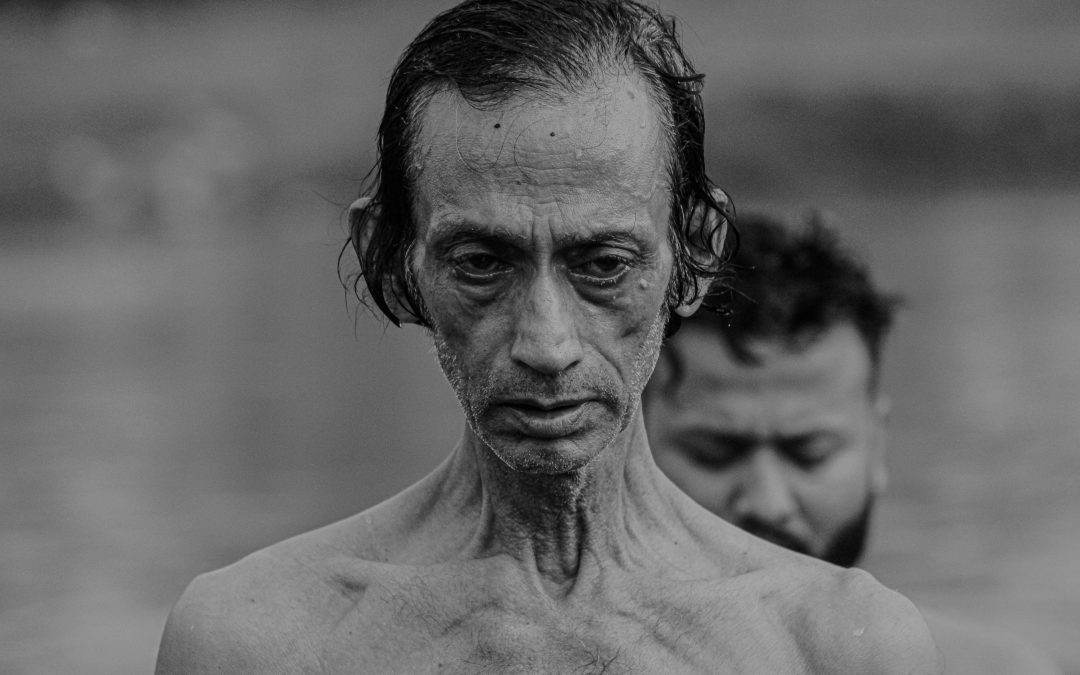
In the first reading, we encounter Naaman the Syrian, a commander of the Army of the king of Aram, who was suffering from leprosy. He was advised by a young Israelite girl to meet prophet Elisha. Though with all his gifts of silver, gold and clothing, he was asked only to bathe in a simple river. With rage and feeling of abasement, his servant reasoned with him, “My father, if the prophet had told you to do something great, wouldn’t you have done it? How much more, then, when he tells you, ‘Wash and be cleansed!”. The commander removed his armor and clothes, bathed himself in the river and was healed. Dear brothers and sisters, like the Israelite young girl, our Christian life is continuously marked by those who through their life of faith continue to lead us and inspire us to God. The question we should ask ourselves is how do we lead others to Christ? Are our actions worthy of leading others to Christ? Furthermore, like the commander, sometimes our Christian expectations might lead us think, Christian life consists of performing extraordinary things, but it is simply removing our armors, our pride, confessing that sin, saying “I am sorry”, saying “I forgive you”, to be clean once more like the flesh of a little child. 

In the same line, the commander returned to offer thanksgiving, invocating two important points: he said firstly, ‘Now I know that there is no God in all the earth except in Isreal’ and secondly ‘Your servant will no longer offer holocaust or sacrifice to any god except the Lord’. Dear brothers and sisters, what are the promises we have made to the Lord when we felt favored by him? Do we keep those promises? 

In the Gospel, Jesus on his way to Jerusalem, entered one of the villages and ten lepers came to him. They stood some way off and called him. Standing “way off” was a custom in which lepers were considered unclean and therefore were isolated and kept apart. Even when they approached Jesus, they kept their distance. Dear brothers and sisters, which leprosy is keeping us from getting closer to Christ? Sometimes in life we become leprosy for others, in which people are afraid of approaching us, maybe because of our attitude, anger, jealousy, gossip. Let us take a step towards  approaching the right path, calling out for reconciliation and healing like the lepers. 

When Jesus saw the lepers, he asked them to go and show themselves to the priest. In the Jewish tradition, only those who had been healed from leprosy could see the priest to receive a certificate indicating they were not more lepers. The priest had no healing powers. However, these lepers, though still in their leprosy state, believed Jesus without questioning and went to see the priest. Dear brothers and sisters, if we were in the place of those lepers, could we have obeyed? In our difficulties, distress, anxieties, do we believe that Christ is with us? When the lepers were healed, the gospel tell us that, only the Samaritan returned, praising God at the top of his voice and threw himself at the feet of Jesus and thanked him. Praising and throwing himself down, is a sign of summation and recognition of what he had received from God, though being a pagan. Meanwhile the other 9 lepers, (surely Jewish), went away. In our Christian life, sometimes we become more pious and prayerful only when we need something from God, but after when granted or not, we move as nothing ever happened. The readings are helping us to make an introspection in our life to see the wonders, God has done in our life and to thank him. Like Naaman, we can thank him concretely, by offering a Mass for the sick, dead, performing works of mercy etc. As the psalmist says today ‘All the ends of the earth have seen the salvation of our God’, let us thank him for the wonders he has done and keep doing in our life. Amen 

NGALA AUSTIN KANJO

NGALA AUSTIN KANJO

Piarist

Ngala Austin Kanjo is a religious and priest in the Order of the Piarist Schools from the Province of Central Africa. Born in Shisong, Cameroon. He is currently undergoing a master’s program on formation of formators at the Gregorian University.

Panorama Calasanz
Resumen de privacidad

Este sitio Web utiliza cookies para mejorar su experiencia mientras navega por el sitio Web.

Fuera de estas cookies, las cookies que se clasifican según sea necesario se almacenan en su navegador, ya que son esenciales para el funcionamiento de las funcionalidades básicas del sitio Web.

También utilizamos cookies de terceros que nos ayudan a analizar y comprender cómo utiliza este sitio Web. Estas cookies se almacenarán en su navegador solo con su consentimiento.

Tiene la opción de optar por no recibir estas cookies. Pero la exclusión voluntaria de algunas de estas cookies puede afectar su experiencia de navegación.