
Dear brothers and sisters, today’s readings invite us to reflect on a God who has chosen not to hide himself or remain distant from his people, but to communicate himself and to dwell among them. In the first reading, Wisdom is presented as God’s eternal self-communication, dwelling among us to guide, sanctify, and order our lives according to his will. The Book of Sirach tells us that this Wisdom existed before the world was made, has been active throughout history, and will endure forever. This reminds us that God’s plan of self-communication is neither new nor improvised: it has always existed and will remain until the end of time. Dear brothers and sisters, God has a plan for our lives. Through the prophet Jeremiah, the Lord says: “I know the plans I have for you, plans to prosper you and not to harm you, plans to give you hope and a future” (Jer 29:11). God did not bring us into this world without a purpose. Each of us is part of his loving design. The question we must ask ourselves, then, is this: are we disposed to listen to God’s plan for our lives?
Saint Paul, in the second reading, deepens this truth. He tells us that before the foundation of the world, God chose us in Christ, so that we might be holy and blameless and live in love in his presence. This choice reveals that our lives are not accidental; they are part of God’s loving plan. And yet, the difficulty is that we do not always make room for Christ in our daily lives to guide us. Too often we set him aside from our concerns and activities. God is not present in our lives to take life away from us, but to give it meaning, to guide us, sanctify us, and bring order and light into our existence, as the first reading reminds us.
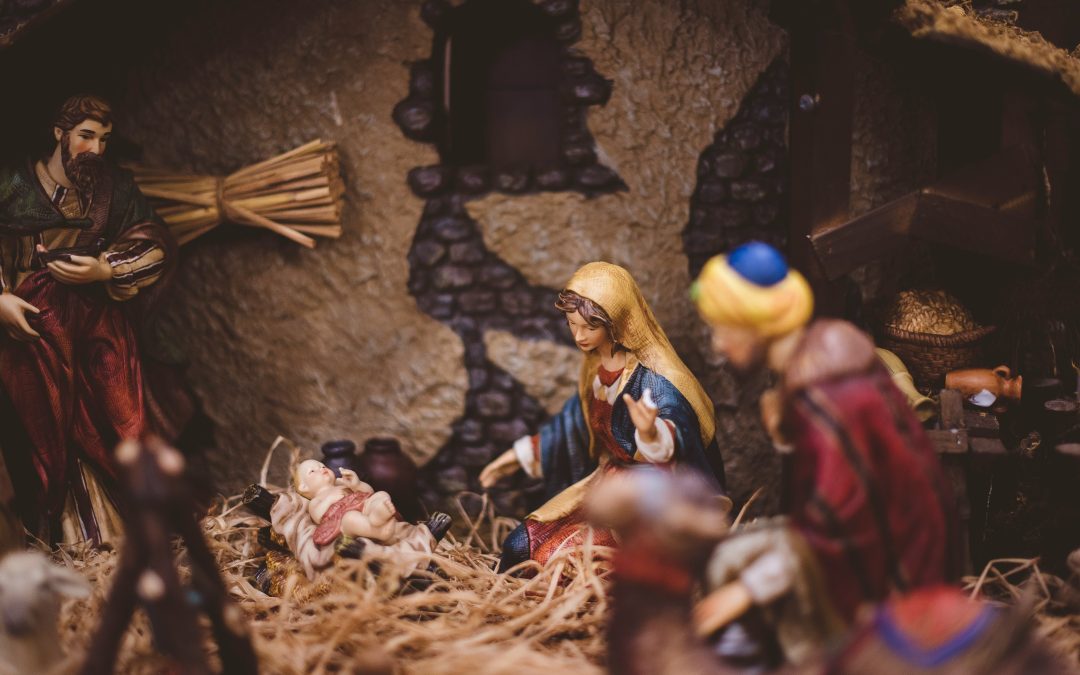
In the Gospel, what Sirach calls Wisdom, Saint John now calls the Word. John tells us that this Word was with God, was God, and is life and light. He is the true light that enlightens every person. And this Word was made flesh and lived among us. Here, the promise of Sirach is fulfilled, and the election spoken of by Saint Paul becomes visible. God does not merely give wisdom, laws, or commandments; he gives himself. He does not save or guide from a distance but chooses to dwell within humanity.
Yet John also tells us that the Word came to his own, and his own did not accept him. They preferred darkness to light. Dear brothers and sisters, the light is offered to everyone, but it can be refused. Grace never forces its way into the human heart. God has chosen us to be his people, but we can refuse to choose God. He desires to guide our lives, yet at times we prefer our own ways to his. But to those who receive him, he gives the power to become children of God.
This shows us that Christ does not come only in history or doctrine, but into our very lives. If we receive him, if we allow his light to enlighten our hearts, then our lives become the place where Wisdom takes root, where grace bears fruit, and where our very existence becomes a witness. As today’s Psalm reminds us, the Word was made flesh and lived among us. May we welcome him, live as children of the light, and may our lives, like the life of the Son himself, make the Father known. Amen.
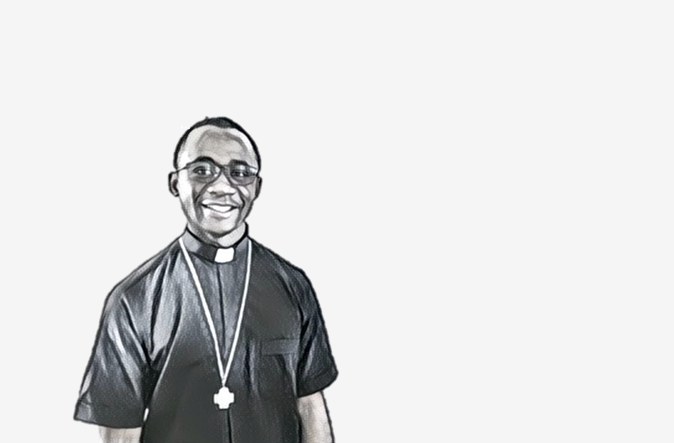
NGALA AUSTIN KANJO
Piarist
Ngala Austin Kanjo is a religious and priest in the Order of the Piarist Schools from the Province of Central Africa. Born in Shisong, Cameroon. He is currently undergoing a master’s program on formation of formators at the Gregorian University.