
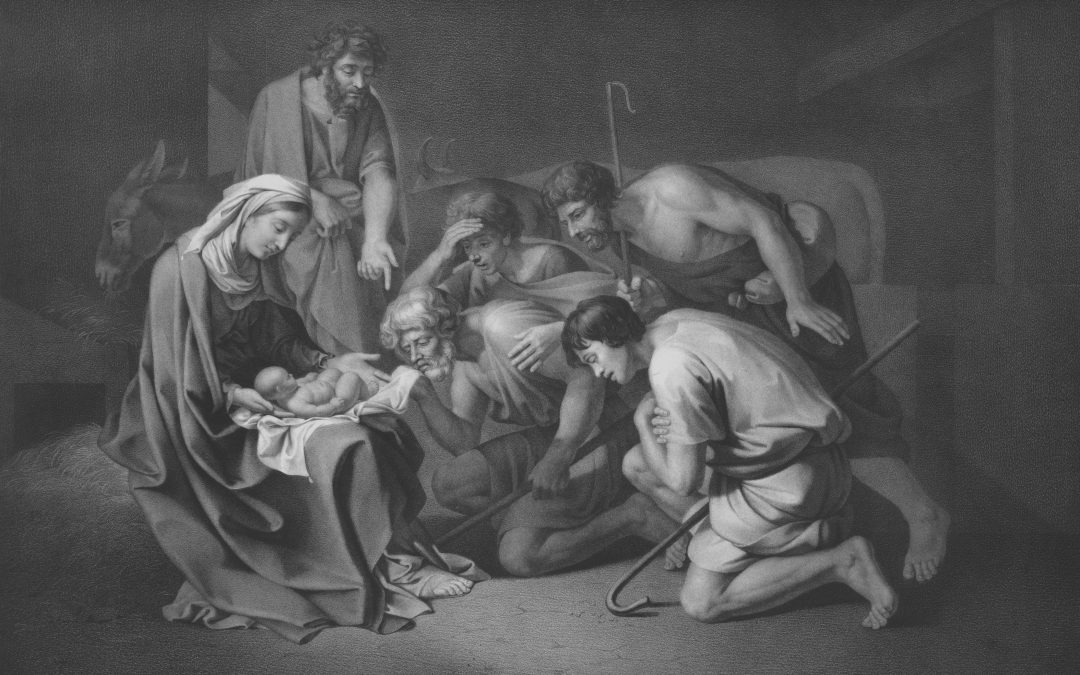
Dear brothers and sisters, as we celebrate today the Feast of the Holy Family of Nazareth, I invite us to meditate on the presence of Christ in our families: the presence of Christ in the holy family of Nazareth in the time of crisis. When Christ was born, He became a blessing to some and a threat to others: a blessing that led the wise men to offer Him gifts, and a threat that drove King Herod to seek His life. Herod wanted to do with the life of Jesus because he thought of it as a threat to his kingship. How often does the presence of Christ become a “threat” in our own lives? For many people, spiritual matters like prayer, faith, God’s word, morality, become a threat to their conscience and their way of living. Instead of welcoming Christ, they resist Him. Recognizing and accepting the presence of Christ in our lives and families can be a blessing to us.
The presence of Christ in the Holy Family of Nazareth shows us that Christ is the unifying factor of every family. During their flight from Herod and their refuge in Egypt, Christ was present. This teaches us that Christ is always present in our families, especially in times of crisis, danger, suffering, and uncertainty. Many families and communities today experience division and increasing divorce because they fail to recognize Christ’s presence in the struggles and crises of family life.
In the Gospel, Saint Joseph shows us three attitudes that help us recognize Christ’s presence in times of crisis: listening, discernment, and obedience. Joseph listened to the angel and obeyed by taking the child and his mother to Egypt. Later, when it was time to return, he discerned that going back to Judea, where Archelaus reigned, would be dangerous, so he went instead to Galilee.
How often in our families, especially in moments of difficulty, do couples fail to listen to each other? Children refuse to obey their parents; parents refuse to listen to their children. Everyone speaks, but no one listens. Everyone believes they are right, and no one is wrong. There is a lack of discernment and a refusal of obedience. In the second reading, Saint Paul offers additional virtues that should characterize a family that recognizes the presence of God: compassion, kindness, humility, patience, mutual forbearance, and forgiveness: forgiving one another as soon as a quarrel begins. Pope Francis summarizes this beautifully when he says that three phrases should guide every family: “Please,” “Thank you,” and “I am sorry.
The Holy Family teaches us that every family needs a husband and father who listens and discerns the presence and will of God, and wives who becomes bearers of Christ within the family. The obedience of Christ highlights the filial obedience in the family. The first reading from Ecclesiasticus says that whoever respects his father atones for his sins, and whoever honors his mother is like one who stores up treasure. Saint Paul summarizes these family roles clearly: “Wives, give way to your husbands, as is fitting in the Lord. Husbands, love your wives and treat them with gentleness. Children, obey your parents in everything, for this pleases the Lord. Parents, do not provoke your children, or they may become discouraged.”
The psalm today says that: “Blessed are those who fear the Lord and walk in His ways.” Let us pray for the grace to always recognize the presence of Christ in our families, especially in times of struggle, so that we may remain united, as the Holy Family of Nazareth remained united.

NGALA AUSTIN KANJO
Piarist
Ngala Austin Kanjo is a religious and priest in the Order of the Piarist Schools from the Province of Central Africa. Born in Shisong, Cameroon. He is currently undergoing a master’s program on formation of formators at the Gregorian University.