
Dear brothers and sisters, let us meditate on the theme “healing thanksgiving” that cuts across the readings of today. In these two readings, we meet two important figures, Naaman and a Samaritan, considered pagans in relation to the Jewish tradition, but that their action became models of a Christian disposition. In each figure we shall meditate on their process of healing and thanksgiving.
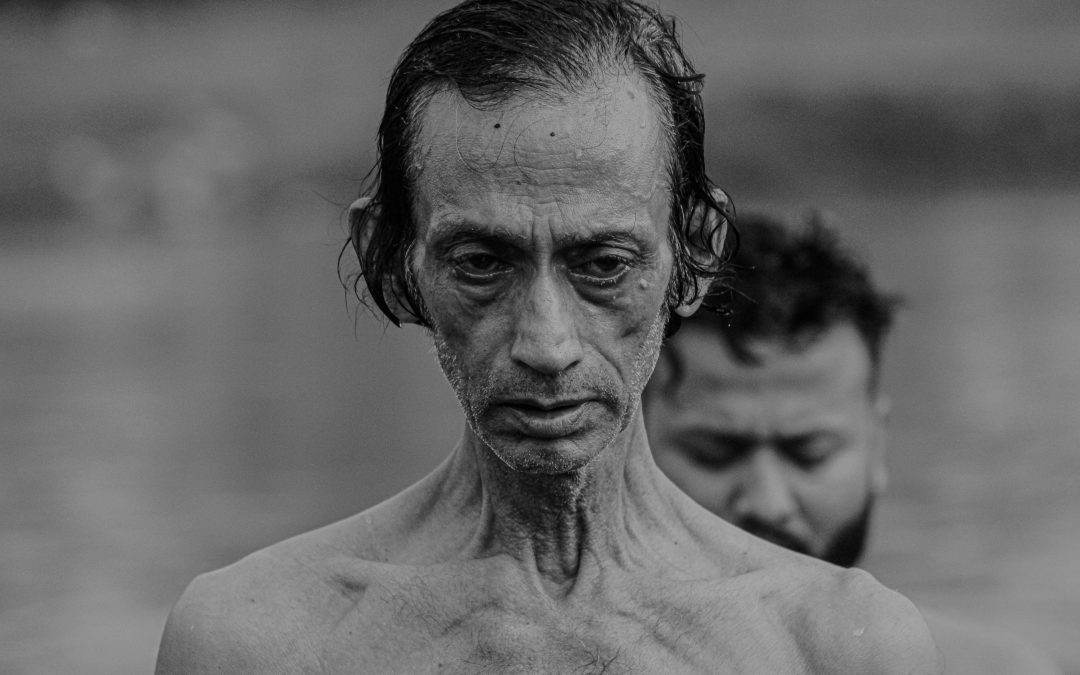
In the first reading, we encounter Naaman the Syrian, a commander of the Army of the king of Aram, who was suffering from leprosy. He was advised by a young Israelite girl to meet prophet Elisha. Though with all his gifts of silver, gold and clothing, he was asked only to bathe in a simple river. With rage and feeling of abasement, his servant reasoned with him, “My father, if the prophet had told you to do something great, wouldn’t you have done it? How much more, then, when he tells you, ‘Wash and be cleansed!”. The commander removed his armor and clothes, bathed himself in the river and was healed. Dear brothers and sisters, like the Israelite young girl, our Christian life is continuously marked by those who through their life of faith continue to lead us and inspire us to God. The question we should ask ourselves is how do we lead others to Christ? Are our actions worthy of leading others to Christ? Furthermore, like the commander, sometimes our Christian expectations might lead us think, Christian life consists of performing extraordinary things, but it is simply removing our armors, our pride, confessing that sin, saying “I am sorry”, saying “I forgive you”, to be clean once more like the flesh of a little child.
In the same line, the commander returned to offer thanksgiving, invocating two important points: he said firstly, ‘Now I know that there is no God in all the earth except in Isreal’ and secondly ‘Your servant will no longer offer holocaust or sacrifice to any god except the Lord’. Dear brothers and sisters, what are the promises we have made to the Lord when we felt favored by him? Do we keep those promises?
In the Gospel, Jesus on his way to Jerusalem, entered one of the villages and ten lepers came to him. They stood some way off and called him. Standing “way off” was a custom in which lepers were considered unclean and therefore were isolated and kept apart. Even when they approached Jesus, they kept their distance. Dear brothers and sisters, which leprosy is keeping us from getting closer to Christ? Sometimes in life we become leprosy for others, in which people are afraid of approaching us, maybe because of our attitude, anger, jealousy, gossip. Let us take a step towards approaching the right path, calling out for reconciliation and healing like the lepers.
When Jesus saw the lepers, he asked them to go and show themselves to the priest. In the Jewish tradition, only those who had been healed from leprosy could see the priest to receive a certificate indicating they were not more lepers. The priest had no healing powers. However, these lepers, though still in their leprosy state, believed Jesus without questioning and went to see the priest. Dear brothers and sisters, if we were in the place of those lepers, could we have obeyed? In our difficulties, distress, anxieties, do we believe that Christ is with us? When the lepers were healed, the gospel tell us that, only the Samaritan returned, praising God at the top of his voice and threw himself at the feet of Jesus and thanked him. Praising and throwing himself down, is a sign of summation and recognition of what he had received from God, though being a pagan. Meanwhile the other 9 lepers, (surely Jewish), went away. In our Christian life, sometimes we become more pious and prayerful only when we need something from God, but after when granted or not, we move as nothing ever happened. The readings are helping us to make an introspection in our life to see the wonders, God has done in our life and to thank him. Like Naaman, we can thank him concretely, by offering a Mass for the sick, dead, performing works of mercy etc. As the psalmist says today ‘All the ends of the earth have seen the salvation of our God’, let us thank him for the wonders he has done and keep doing in our life. Amen
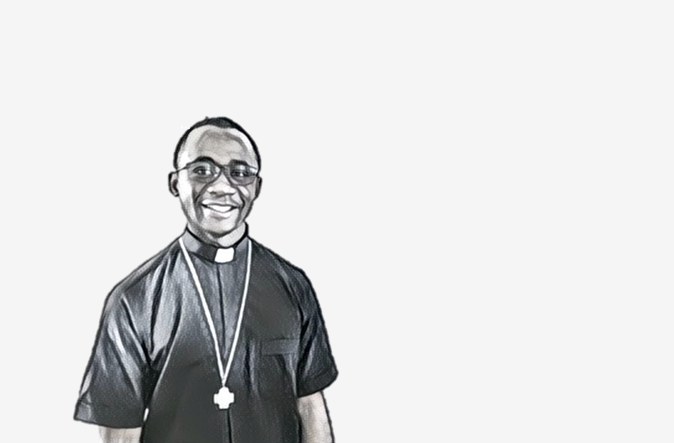
NGALA AUSTIN KANJO
Piarist
Ngala Austin Kanjo is a religious and priest in the Order of the Piarist Schools from the Province of Central Africa. Born in Shisong, Cameroon. He is currently undergoing a master’s program on formation of formators at the Gregorian University.