¿Cómo deberíamos preparar nuestro corazón para acoger al Niño Jesús?
Segundo domingo de Adviento
¿Cómo deberíamos preparar nuestro corazón para acoger al Niño Jesús?
Queridos hermanos y hermanas:
Hemos llegado al segundo domingo de Adviento. El Adviento es un tiempo en el que debemos preparar nuestros corazones para celebrar la Navidad y esperar la segunda venida de Cristo en la gloria. Es una alegría inmensa que toda la humanidad aguarda con ansia. Vemos iglesias y calles adornadas con luces, belenes y hermosos árboles de Navidad, acompañados de música navideña sagrada y envolvente. Así expresamos nuestra preparación exterior para el acontecimiento de la Natividad. Pero, ¿cómo deberíamos preparar nuestro corazón para acoger al Niño Jesús?
La primera lectura es la gozosa y pacífica profecía de Isaías sobre el nacimiento de Jesucristo, que se remonta al siglo VIII a.C., es decir, unos setecientos años antes del nacimiento de Jesús. Y lo que Isaías había profetizado se cumplió. Como sabemos, Jesús nació en Belén de Judea, hace más de dos mil años (hoy parte de Israel/Palestina).
El Evangelio de hoy nos presenta de nuevo la figura de Juan el Bautista, que anuncia la venida del Señor y nos indica cómo debemos prepararnos para acogerlo. Estamos llamados a: «Preparad el camino del Señor, allanad sus senderos» y «Dad el fruto que pide la conversión» (Mt 3,3.8). Son, claramente, invitaciones importantes para cada uno de nosotros.
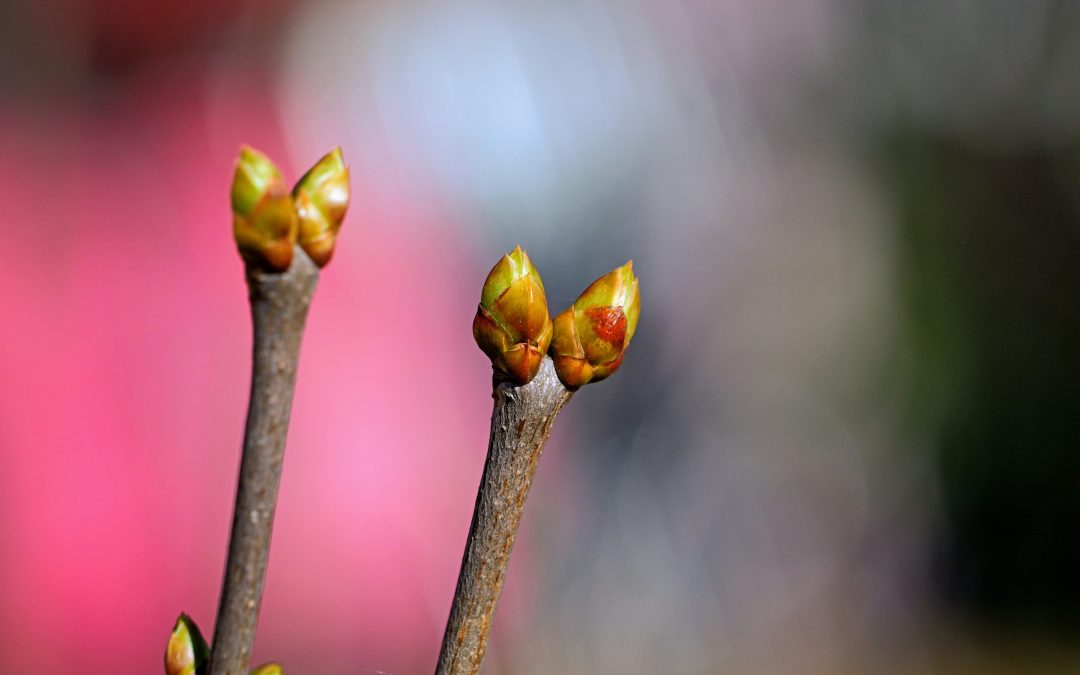
«Preparad el camino del Señor» significa que debemos abandonar aquello que en nosotros no es bueno. Igual que los árboles, que en otoño e invierno pierden silenciosamente, pero con determinación, sus hojas amarillas para conservar las sustancias nutritivas y hacer brotar los nuevos brotes verdes en primavera. Jesucristo es un huésped especial en la vida de cada uno de nosotros. Él es rico en misericordia, santidad y sencillez; por eso debemos acogerlo con un corazón puro, sencillo y lleno de amor.
Del mismo modo que no basta con que los árboles echen brotes y hojas, sino que también deben producir flores y frutos, así también el árbol de nuestra fe debe dar fruto. «Dad fruto» significa mejorar cada día y mostrar la belleza de nuestra alma a Dios y a los demás por medio de palabras y acciones concretas: participar con diligencia en la misa para dar gracias y alabar a Dios, rezar constantemente por nosotros mismos y por los demás, y ayudar a quienes están en necesidad sin ignorarlos. Por ejemplo, cada vez que salgamos de casa, podemos llevar alguna moneda en el bolsillo para dársela a las personas sin techo que podamos encontrar por la calle, porque tienen hambre y frío. También podemos colaborar en la ayuda a las zonas afectadas por calamidades naturales y a los países que siguen siendo pobres y hambrientos. Estos son también modos de acogernos y compartir unos con otros. Como exhortaba san Pablo a los Romanos en la segunda lectura: «Acojaos mutuamente, como Cristo os acogió, para gloria de Dios» (Rm 15,7). Además, «Dad fruto» significa también dedicarse al estudio y al trabajo con diligencia, aportando valores útiles a la Iglesia y a la humanidad…
Entonces, ¿cómo podemos preparar nuestro corazón para acoger al Niño Jesús? Las lecturas de hoy nos dan la respuesta: «Preparad el camino» y «Dad fruto». Por tanto, debemos mejorar y hacer algo bueno por nosotros mismos y por los demás cada día. Y cuando lo hacemos, llevamos paz a nosotros mismos y a los demás. Este es también un modo maravilloso de prepararnos para acogerlo.
Que Dios nos conceda su paz y su fuerza, para que cada uno de nosotros tenga el valor de mejorar y de dar fruto para acoger al Señor, no solo en este tiempo de Navidad, sino también en su segunda venida en la gloria de Jesucristo. Amén.
Second Sunday of Advent
How should we prepare our hearts to receive the Child Jesus?
Dear brothers and sisters,
We have reached the second Sunday of Advent. Advent is a time in which we must prepare our hearts to celebrate Christmas and to await the second coming of Christ in glory. It is an immense joy that all humanity eagerly awaits. We see churches and streets decorated with lights, cribs and beautiful Christmas trees, accompanied by sacred and moving Christmas music. This is how we express our outward preparation for the event of the Nativity. But how should we prepare our hearts to welcome the Child Jesus?
The first reading is Isaiah’s joyful and peaceful prophecy about the birth of Jesus Christ, dating back to the eighth century B.C., that is, about seven hundred years before the birth of Jesus. And what Isaiah had prophesied was fulfilled. As we know, Jesus was born in Bethlehem of Judea, more than two thousand years ago (today part of Israel/Palestine).
Today’s Gospel presents once more the figure of John the Baptist, who announces the coming of the Lord and shows us how we must prepare to receive him. We are called to: “Prepare the way of the Lord, make straight his paths” and “Bear fruit worthy of repentance” (Mt 3:3.8). These are clearly important invitations for each one of us.
“Prepare the way of the Lord” means that we must let go of what is not good within us. Just like trees which, in autumn and winter, silently yet resolutely shed their yellow leaves in order to conserve their nutrients and make new green shoots appear in spring. Jesus Christ is a special guest in the life of each of us. He is rich in mercy, holiness and simplicity; therefore we must welcome him with a heart that is pure, simple and full of love.
In the same way that it is not enough for trees to sprout and produce leaves, but they must also bear flowers and fruits, so too the tree of our faith must bear fruit. “Bear fruit” means improving every day and showing the beauty of our souls to God and to others through concrete words and actions: taking part diligently in Mass to thank and praise God, praying constantly for ourselves and for others, and helping those in need without ignoring them. For example, every time we go out, we can keep some coins in our pocket to give to the homeless we may meet on the street, because they are hungry and cold. We can also help support areas affected by natural disasters and countries that are still poor and hungry. These are also ways of welcoming and sharing with one another. As Saint Paul admonished the Romans in the second reading: “Welcome one another, then, as Christ welcomed you, for the glory of God” (Rom 15:7). Furthermore, “Bear fruit” also means applying ourselves to study and work with diligence, bringing useful values to the Church and to humanity…
So how can we prepare our hearts to receive the Child Jesus? Today’s readings give us the answer: “Prepare the way” and “Bear fruit”. We must therefore grow and do something good for ourselves and for others every day. And when we do so, we bring peace to ourselves and to others. This too is a wonderful way to prepare to welcome him.
May God grant us his peace and his strength, so that each of us may have the courage to grow and to bear fruit in order to receive the Lord not only in this Christmas season, but also at his second coming in the glory of Jesus Christ. Amen.
Chúa Nhật Tuần II – Mùa Vọng
Chúng ta nên chuẩn bị tâm hồn mình như thế nào để đón chào Hài Nhi Giêsu?
Anh chị em rất thân mến! Chúng ta đang ở Chúa Nhật thứ II mùa vọng. Mùa vọng là thời gian chuẩn bị tâm hồn để mừng Chúa Giáng Sinh cũng như chờ đợi Chúa Kitô đến lần thứ hai trong vinh quang. Đây thực sự là một niềm vui lớn lao mà toàn thể nhân loại cùng hân hoan chờ đợi. Chúng ta thấy trên khắp các giáo đường và con phố đang được trang trí bằng nhiều đèn điện, hang đá giáng sinh, và cây thông noel rất đẹp cùng với những bản nhạc Giáng sinh thánh thiêng, an lành và ấm áp. Đây là cách mà chúng ta biểu hiện sự chuẩn bị chào đón Chúa Giáng sinh từ bên ngoài. Vậy còn tâm hồn chúng ta cần chuẩn bị gì để chào đón Chúa đến?
Bài đọc thứ nhất là lời tiên tri vui tươi và bình an của ngôn sứ Isaia về sự ra đời của Chúa Giêsu Kitô, có từ thế kỷ thứ tám trước Công nguyên, khoảng hơn bảy trăm năm trước khi Chúa Giêsu giáng sinh. Và điều ngôn sứ Isaia tiên báo đã trở thành sự thật. Như chúng ta đã biết, Chúa Giêsu đã giáng sinh tại Bethlehem, thuộc vùng Judea hơn hai ngàn năm trước (nay là một phần của Israel/Palestine).
Bài Tin Mừng Chúa Nhật hôm nay lại một lần nữa đưa chúng ta đến với hình ảnh thánh Gioan Tẩy Giả, người loan báo Chúa đến và chỉ cho chúng ta cách chuẩn bị để đón tiếp Người. Chúng ta được mời gọi là: “hãy sửa lối cho thẳng” và “hãy sinh hoa trái để chứng tỏ lòng thống hối” (Mt 3, 3,8). Đây rõ ràng là những lời mời gọi quan trọng dành cho mỗi người chúng ta.
“Hãy sửa lối cho thẳng” có nghĩa là chúng ta phải từ bỏ những gì không tốt trong mình. Giống như cây cối lặng lẽ nhưng dứt khoát bỏ đi những lớp lá vàng vào mùa thu và mùa đông để giữ chất dinh dưỡng cho những chồi non xanh mọc lên vào mùa xuân. Chúa Giêsu là một vị khách đặc biệt của mỗi chúng ta, Ngài giàu lòng nhân từ, thánh thiện và đơn sơ, vì thế, chúng ta cần chào đón Ngài bằng một quả tim trong sạch, đơn sơ và tràn đầy yêu thương.
Cũng như cây cối chỉ đâm chồi nảy lộc thôi thì chưa đủ mà còn phải sinh hoa kết trái, cây đức tin của chúng ta cũng vậy cần phải sinh hoa kết trái. “Hãy sinh hoa trái” là chúng ta cần phải trở nên tốt đẹp hơn mỗi ngày và biểu lộ vẻ đẹp tâm hồn mình cho Chúa và tha nhân qua những lời nói và hành động cụ thể: như siêng năng tham dự Thánh lễ để cảm tạ và tôn vinh Thiên Chúa, không ngừng cầu nguyện cho bản thân và tha nhân, hay giúp đỡ những ai cần sự giúp đỡ, đừng lạnh lùng làm ngơ họ. Ví dụ, mỗi khi ra ngoài, hãy để sẵn một vài đồng trong túi để tiện cho những người vô gia cư mà chúng ta có thể gặp họ ngoài đường vì họ đang đói và rét. Hoặc đóng góp để giúp đỡ những vùng bị thiên tai và những quốc gia còn đang nghèo đói. Đó cũng là cách mà chúng ta chia sẻ và đón nhận nhau như trong bài đọc hai, thánh Phaolô đã nhắn nhủ tín hữu Rô-ma rằng, “anh em hãy đón nhận nhau, như Đức Ki-tô đã đón nhận anh em, để làm rạng danh Thiên Chúa” (Rm 15,7). Rộng hơn nữa, “hãy sinh hoa trái” là hãy làm việc và học tập chăm chỉ để mang lại những giá trị hữu ích cho Giáo hội và nhân loại…
Cho nên, chúng ta nên chuẩn bị tâm hồn mình như thế nào để đón chào Hài Nhi Giêsu? Các bài đọc Chúa Nhật hôm nay gợi ý cho cúng ta câu trả lời là: “Hãy sửa lối cho thẳng” và “Hãy sinh hoa trái”. Nên chúng ta hãy cải thiện bản thân và hãy làm bất kỳ điều tốt đẹp nào đó cho bản thân và cho người khác mỗi ngày. Và khi chúng ta làm như vậy là chúng ta đang mang bình an đến cho chính chúng ta và cho người khác. Đây cũng là một cách tuyệt vời mà chúng ta được mời gọi để chuẩn bị đón tiếp Ngài.
Xin Thiên Chúa ban cho chúng ta bình an và sức mạnh của Người, để mỗi người chúng ta can đảm cải thiện bản thân và sinh hoa trái để đón tiếp Chúa không chỉ trong dịp Giáng sinh này mà còn trong sự trở lại lần thứ hai của Chúa Giêsu Kitô. Amen.